Will I Owe Income Taxes and Have to Pay Back CERB?

Cerb and Income Taxes

If you received CERB during the pandemic, your tax liability may increase because you didn’t pay taxes at the time you received it – no one did.

Like any income, CERB is taxable, but there’s good news.

There aren’t special tax rates you must pay on any CERB you received. The tax rates are the same rates you pay on your employment income. This makes filing your taxes much less overwhelming than most people thought, but it’s still money you will owe.

How Much Tax will you Owe?

No two people will owe the same amount of taxes. Your tax rate depends on your total income and this year your total income includes all employment income plus any CERB you received. You can check your tax brackets here.

How do you Pay your CERB Tax Debt?

Like any tax debt, to figure out how much you owe, you must first file your taxes. It’s always important to file your taxes on time even if you think you can’t afford the tax debt. Get your taxes in and then take additional steps to manage the debt.

If you can’t pay your tax debt on time, contact the CRA. In most cases, they’ll offer a repayment plan or payment arrangement, but only if you ask. You must be proactive in your request, so you don’t fall behind.

Options if you can’t Pay your CERB Tax Debt

If you can’t pay your CERB tax debt, here are your options:

Apply for Taxpayer Relief

Taxpayer relief is available for those who have extenuating circumstances including unemployment, chronic illness, or a natural disaster. It has to be something outside of your control that stops you from paying the taxes.

File a Consumer Proposal

If you are in over your head in debt, you may consider a consumer proposal. This is a formal request for relief of your debts including your CERB tax debt. A proposal doesn’t eliminate the debt, but it may lower the amount you owe making it easier to afford.

Work with a Credit Counselor

If you’re in over your head in debt and now face tax debt too, get with a credit counsellor. If you free up some of your money by negotiating lower rates or consolidating debt, you may have more money available to pay your tax debt.

The key is not to ignore your debt. If you can’t pay it, work with professionals to find a way to make arrangements. Ignoring the debt only leads to more penalties and interest.

Final Thoughts

Don’t let the thought of tax debt put you over the edge. Yes, it’s another debt and if you’re already struggling it can feel like too much, but there are ways around it.

Contact our credit counselors today for your free consultation to find out how we can help make your tax debt more affordable. Sometimes it just means you need to free up some money by lowering your interest rates on other debts or negotiating other payment arrangements.


How Reducing Interest Rates Reduces Debt Faster

Pay Down Debt

Did you know that much of your debt consists of interest? This is especially true if you’ve carried balances for a long time.

For example, if you have a $10,000 balance at 20%, it will take you 60 months to pay off the debt with a $264 monthly payment and a total of $5,896 paid in interest. Your $10,000 would cost you $15,896, which is made up of 37.09% interest charges.

Reducing your interest rates can help you save money and pay your debt off faster.

Continue reading “How Reducing Interest Rates Reduces Debt Faster”

Pay Down your Debt and Put the Interest Money Toward Savings

It’s a common debate consumers face – do you pay down your debt or save money? You want to get rid of your debt, but you also need money saved for emergencies, so what do you do?

What if you could have the best of both worlds?

If you pay down your debt but continue ‘paying yourself’ the interest, you’ll get out of debt AND save money.

Here’s how!

Continue reading “Pay Down your Debt and Put the Interest Money Toward Savings”

Which Debts Should I Pay Off First to Improve My Credit?

Improve Credit

If you’re trying to improve your credit, you need to pay off your debts. High debts can hurt your credit score tremendously, especially if you have a lot of revolving debt (credit cards).

To improve your credit score, focus first on credit card debt and then installment debt, which includes your mortgage, car payments, student loans, and personal loans. Before you jump in to pay off your credit card debt, though, you’ll need a strategy.

Continue reading “Which Debts Should I Pay Off First to Improve My Credit?”

Why You Want to Pay Your Debt, Not Get Out of Paying

Get Out of Debt

If you’re in over your head in debt it may seem logical to not pay it. If you can get debt relief, by all means you should take it, right?

Wrong.

Not paying your debt is much worse than paying it off as agreed. Even if you need a credit counselor to intervene on your behalf, get you lower rates, or a payment arrangement, as long as you pay the debt, it’s a lot better for your credit.

Here’s why.

Continue reading “Why You Want to Pay Your Debt, Not Get Out of Paying”

Understanding the Millennial Wage Gap

Millennial Wage Gap

The millennial wage gap is a real problem for those ages 25 – 40. Not only do they make 20% less than Baby Boomers at their age, but they also have fewer consistent paychecks because of the Recession of 2007 and now the pandemic. With more people freelancing, regular paychecks feel like a thing of the past for most millennials.

The largest issue this causes for millennials is a delay in homeownership, aka achieving the American Dream. With lower wages, higher debt, and less consistent paychecks, only 42 percent of millennials own a home by age 30 versus 48 percent of Gen Xers and 51 percent of Baby Boomers.

Continue reading “Understanding the Millennial Wage Gap”

How COVID-19 Affected Household Debt

You’ve likely heard how COVID-19 affected millions of household incomes, but what about debt levels? Household debt has reached extraordinary levels, but not for everyone. Its largest stronghold is on the middle-income earners – the households that lost their jobs during the pandemic and who didn’t benefit enough from CERB payments.

Here’s what happened.

Continue reading “How COVID-19 Affected Household Debt”

How to Maximize your Spending Plan (AKA Budget)

Maximize Spending Plan

Get the Most for the Least by Shopping Carefully

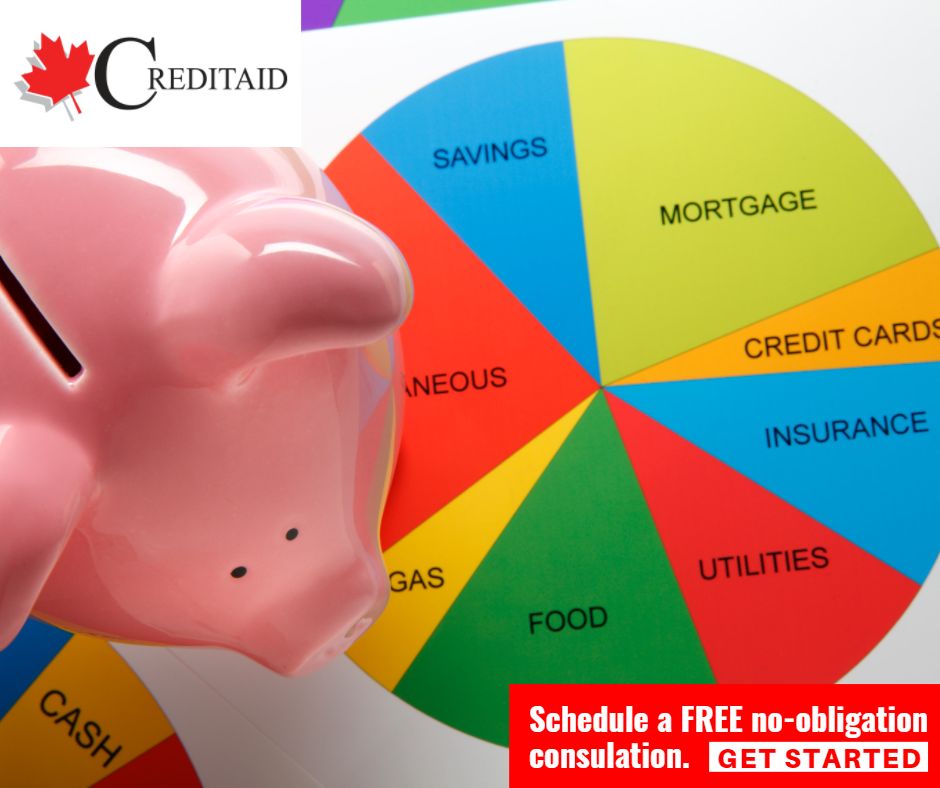
Budgeting can be like strong tasting medicine – it’s one of the most challenging remedies to take, but its effectiveness cannot be denied.  Whether you’ve got money troubles or not, a budget will help your finances.  You don’t make a budget just to fix problems – you have to do it all the time.

A spending plan is more than just a list with numbers.  It’s a willingness to do things that may seem inconvenient at the time, but add up to a considerable advantage when you’re looking to cut costs, without sacrificing quality.

Here are some everyday actions you can take that will make your bottom line look better:

Check Prices
Ok, so you’ve decided to make a purchase, and you’ve budgeted for it.  Before you expend precious funds, make sure you’re getting the best value for your dollar.  Ask yourself the following:

“Can I save money by buying used?”  A lot of times, a used item will serve just as well as a new one.  Appliances, for instance, are often available used, many from dealers who will offer a warranty.  Clothing, too. Many discount stores offer name brand clothing, gently worn, at a fraction of the original cost.  If you’re ok with previously enjoyed clothes, you’ll find that you can start dressing really well for really cheap.

“Is another store having a sale on this item?”  Is the sale good enough to justify the extra travel time and expense?  Try to avoid paying more just for convenience.

“Is it less expensive online?”  Sometimes it’s worth having to wait a few extra days for delivery.

Prepare your Own Meals
We can’t stress enough just how much impact this one simple act can have on your bottom line.  Take out or delivery costs several times as much as preparing a similar item at home, and when you make it yourself, it’s how you like it.  Compare the savings to the time spend preparing meals, and it’s like you’ve got another job that pays really well.

Continue reading “How to Maximize your Spending Plan (AKA Budget)”

Canadians Not Meeting Debt Reduction Goals

Manulife Bank of Canada released their debt survey which revealed that many Canadians are not meeting their debt goals. Creditaid’s Brian Denysuik was on the air at CBC Radio with Caroline Barghout to discuss the survey, provide advice and tips on how to save to spend, budget and the steps to take to relieve stress and become debt free.

Listen to the broadcast below.