

Tips from the Frontlines: What We See Every Day in Debt Management

At Creditaid, we talk with people every day who are struggling with debt. Over time, you start to see the same patterns — and the same solutions. Here’s some of what we’ve learned.

  1. The ‘ostrich’ strategy is for the birds. Ignoring calls and letters, especially ones that involve legal threats, isn’t a great strategy. I’ve seen people ignore court summons, resulting in liens against their property and wage garnishment. Its much easier to reach an agreement to repay debts before this happens, as a lot more options are open to you. Even more importantly, the longer you leave debts festering, the more the interest will snowball.

Speaking with a credit counsellor sooner rather than later opens up far more options — and takes a weight off your shoulders. A professional can outline your options, develop a game plan, and help you avoid the stress of mounting interest and legal complications.

2. Stop giving away money to the banks. There are many bank accounts available for low ($5) or no fees- my local credit union waives fees if there is a regular payroll deposit. Most people I see need the money more than the banks do, so shop around and keep the fees in your pocket. If you’re thinking it’s not a big deal, that $15–17 a month adds up to about $200 a year. I bet you could think of some great things to do with $200 — and “giving it away to the bank” almost certainly wouldn’t make the list!

3. Challenge your spending. Look at where your money goes and ask yourself if you’re getting good value from it. One of the key points in budgeting is a spending analysis and reset- see my full article here.

When you’re buying items, especially non-essential ones, ask yourself: how long will I have to work to pay for this? Am I happy working X hours for it? Is it good value- will I be using it in a few years? If it’s a purchase that will incur interest, be sure to factor that into your thinking too. You’ll find that a lot of purchases drop off when you make a conscious choice about them. These can add up over time like the bank charges, every little bit helps.

As a bonus, you’ll find you genuinely appreciate what you do buy — and you’ll need less storage space too.

4. Sell off unused items. Whether it’s stuff you’ve been paying to store or an old car sitting in the driveway because it needs repairs, if you’re not actively using — or even missing — something, you can probably do without it. Selling it off means you’re no longer paying to keep it (storage, insurance, etc.) and you can put the money generated toward repaying debts or building your savings.

5. Pay off debt strategically. Make sure your money is working hard for you — allocate funds to paying off debt as a priority. Interest can be a real killer, so aim to pay off debts as quickly as you can. Your money works hardest when directed at the highest interest rate first.

If your debt is a challenge and you’re struggling to get the principal down, speaking with a professional like Creditaid can make a real difference. Credit counselling will typically eliminate or dramatically reduce interest on debts, which can change the whole picture.

6. Then, pay yourself through saving. Once you have a handle on debt repayment, turn your attention to savings — short-term emergency funds first, then long-term funds. Emergency funds are critical because they reduce or eliminate the need to take on new debt when life throws you a curveball. After you have a reasonable emergency fund in place, switch focus to long-term savings. It may not be the most exciting step, but it’s where you get to harness the power of compound interest working in your favour.

When deciding between debt repayment and savings, your money works hardest when directed at the highest interest rate first. Typically this means repaying debt before saving, since interest on debt is usually higher than returns on a TFSA. That said, if you’re already in a repayment plan like credit counselling or a consumer proposal, extra money will often work best going into savings.

Its always best to consider your unique circumstances and what makes you comfortable rather than blindly following a set of rules. The ultimate goal is to challenge yourself and make conscious, deliberate choices about how you use your money.

You work hard to earn it- make sure it works just as hard for you!

Budget basics- Part 1: Spending Analysis

Want to get a better handle on your finances, but don’t know where to start? There are tons of apps and tools to help you budget and manage your money, though I find many of these are complex and need a lot of effort to maintain. My view is that we’re trying to manage our personal spending, not prepare an audit-proof analysis for review by CRA. Keep it simple- the goal is clarity, not perfection.

In this series we’ll explore the basics of budgeting and money management, including:

  • Spending analysis and how to reset
  • Building a budget
  • How to set up and use an emergency fund

We’ll start with a spending analysis as it’s the foundational step.

What is a spending analysis?

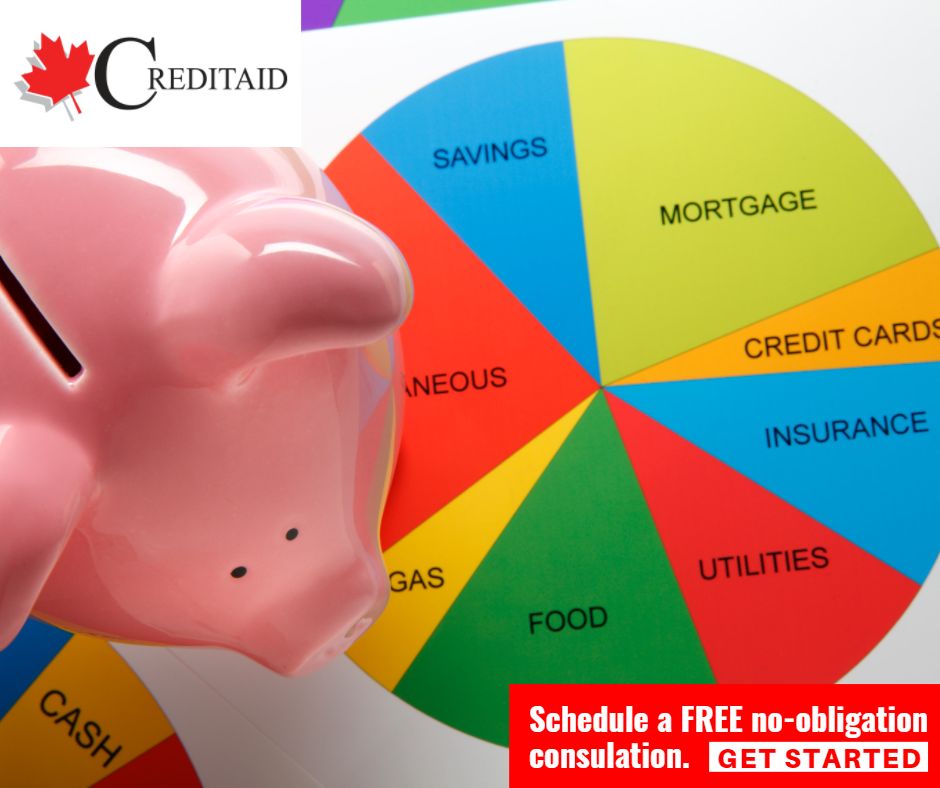
 A spending analysis is simply a breakdown of how much you actually spend per month across different areas of your life. To do one, take your past 3 months of bank and credit card statements and note what you spent each month in each category. A few things to keep in mind before you start:

  • Avoid holiday months. December and January tend to be distorted by seasonal spending, so if possible, pick three months that reflect a more typical stretch of your year.
  • Don’t forget cash. Bank and card statements won’t capture everything — think about what you regularly spend in cash, like parking, farmers markets, or the occasional garage sale find.
  • If you share finances with a partner, do this together. You’ll need a complete picture of household spending, and you’ll want to be on the same page when decisions come up later.

A typical set of spending categories might look like this:

  • Housing — rent or mortgage, utilities, property tax, repairs, condo fees
  • Food — groceries, eating out, takeout, coffee
  • Personal — haircuts, clothing, personal care, medications
  • Connectivity — cellphone, internet, cable, subscriptions
  • Kids — daycare, clothing, activities, birthdays
  • Pets — grooming, food, other
  • Transport — transit, car payments, insurance, gas, repairs
  • Debt repayments — if applicable

You’ll also want to track:

  • Annual or occasional costs — gym memberships, seasonal expenses, anything that doesn’t hit every month
  • Savings and dedicated accounts — holiday fund, home repairs, etc.

Making sense of what you find

Many categories will be relatively fixed — mortgage payments, bus passes, a monthly haircut. Others, especially food, will fluctuate week to week. By looking at three months together, you can average things out to get a picture of a “normal” month.

The point is to end up with a realistic picture of what you actually spend. Spoiler: it will likely be more than you expect, especially in areas like food (those takeout coffees really add up!) and connectivity. That’s okay — and it’s the whole point of doing this. You can’t change what you can’t see.

The reset: right-sizing your spending

If you’re not happy with where things stand, or if you’re looking to free up money to tackle debt or build savings, let’s talk about a reset. This isn’t about depriving yourself — it’s about getting honest about which expenses are genuinely adding value to your life and which ones have just quietly accumulated over time.

A lot of people find their budgets undone by small expenses that build up over the course of a month: daily coffees, multiple streaming services they barely use, subscriptions they signed up for and forgot about. A reset helps you see which of those things you actually miss.

The idea is straightforward: for one month, strip back all non-essential spending. Unsubscribe from streaming services. Cook at home instead of ordering in. Skip the extras. At the end of the month, add back only the things you genuinely missed. The ones you didn’t notice being gone? Let them stay gone.

Why a full month? Because new habits take three to four weeks to form. A shorter stretch doesn’t give you enough time to adjust and actually feel the difference. February works well for this — it’s short, it’s after the holidays, and there’s not a lot going on — but any four-week period will do.

It doesn’t have to be all or nothing

One thing worth saying: a reset doesn’t mean going cold turkey on everything. Maybe you normally grab a coffee every day and find that cutting it out entirely is just too much. Could having it once or twice a week — say, as a Friday treat — satisfy that need? There’s no judgement here about what fits for you. The goal is to find a level of spending that genuinely adds value to your life (or “sparks joy,” if you watched Marie Kondo) and let go of the expenses that don’t.

What to do with the savings

If you’ve done a reset for a month, you should find yourself with some extra cash at the end of it. If you’re carrying debt, put that money toward accelerating your repayments. If you’re debt-free, move it into savings — short-term first, then long-term.

You’ve taken the hardest step

Looking honestly at your own spending takes more courage than most people expect. It’s easy to have a vague sense that things could be tighter — it’s another thing to actually sit down and see the numbers. If you’ve done this, congratulations! You now have a clear, realistic picture of where your money goes, and that’s the foundation managing your money is built on.

Next up: building a budget — which will flow naturally from everything you’ve just done here.

Creditaid – What you can expect & what makes us different

Debt help and debt management can be confusing- there are many different options available with lots of terms being used interchangeably. To make things trickier, when you’re stressed about debt or being harassed by collectors, you’re likely not in the best headspace to research your options.

Creditaid is a credit counselling service that offers Debt Management Plans (DMP). We negotiate with your creditors on your behalf, so you make one payment a month to us — and we handle the rest, including making sure collectors stop contacting you. DMPs typically run four to five years.

Creditaid has helped thousands of Canadians since 1992. We’re a regional credit counselling firm licensed in four provinces — BC, Alberta, Saskatchewan, and Manitoba — registered with each provincial regulatory body, and our trust accounts are audited annually.

What you can expect from us:

A personal touch, not a call centre. As a smaller firm, you’ll always be speaking with someone who actually knows your file — not a random agent at a large national call centre. We know who you are, we understand your situation, and we work in your best interests.

Honest advice, even when it points elsewhere. We’ll walk you through your full range of options — including ones we don’t offer ourselves. A DMP has to make sense for your budget and cash flow, and because it does affect your credit rating, we want to make sure you can also set aside an emergency fund while you’re repaying. We get a lot of satisfaction from helping people when a DMP is the right fit — but we’ll always tell you clearly if there’s a better path.

Support for the long haul. A DMP can run up to five years. It’s a marathon, not a sprint. We’re with you through all of it — building budgets, navigating life changes, and pausing things when money gets tight. We work for you, not the creditors, and we genuinely want to see you come out the other side debt-free.

If collectors are calling or you’re struggling with debt you can’t seem to get on top of, reach out to us. We’re passionate about helping people regain control of their finances — and we’d love to help you do the same.

Non-Cash Financial Help Options – Helping your Family without Giving them Cash

Helping Your Family with Debt

If you have family members in trouble financially, you may want to help them, but giving them cash may not feel right. If you’re worried your family members will just squander away the money you give them, here are 5 non-cash ways to help family members with financial troubles.

Continue reading “Non-Cash Financial Help Options – Helping your Family without Giving them Cash”

How Reducing Interest Rates Reduces Debt Faster

Pay Down Debt

Did you know that much of your debt consists of interest? This is especially true if you’ve carried balances for a long time.

For example, if you have a $10,000 balance at 20%, it will take you 60 months to pay off the debt with a $264 monthly payment and a total of $5,896 paid in interest. Your $10,000 would cost you $15,896, which is made up of 37.09% interest charges.

Reducing your interest rates can help you save money and pay your debt off faster.

Continue reading “How Reducing Interest Rates Reduces Debt Faster”

Which Debts Should I Pay Off First to Improve My Credit?

Improve Credit

If you’re trying to improve your credit, you need to pay off your debts. High debts can hurt your credit score tremendously, especially if you have a lot of revolving debt (credit cards).

To improve your credit score, focus first on credit card debt and then installment debt, which includes your mortgage, car payments, student loans, and personal loans. Before you jump in to pay off your credit card debt, though, you’ll need a strategy.

Continue reading “Which Debts Should I Pay Off First to Improve My Credit?”

How COVID-19 Affected Household Debt

You’ve likely heard how COVID-19 affected millions of household incomes, but what about debt levels? Household debt has reached extraordinary levels, but not for everyone. Its largest stronghold is on the middle-income earners – the households that lost their jobs during the pandemic and who didn’t benefit enough from CERB payments.

Here’s what happened.

Continue reading “How COVID-19 Affected Household Debt”

Canadians on the Brink of Bankruptcy – Here’s what to Do

If you’re feeling financial stress, you not alone. Over half of Canadians are within arm’s reach of financial insolvency thanks to the COVID-19 pandemic. The numbers are at a five-year high and don’t seem to be falling anytime soon.

Millions of Canadians wiped out their savings accounts during the heart of the pandemic and others relied on credit cards to make ends meet. But where does that leave them today?

If you’re coming off a job loss, shuttered business, or increase in bills, bankruptcy may seem like the only answer, but it’s not. Here’s what to do instead.

Continue reading “Canadians on the Brink of Bankruptcy – Here’s what to Do”

Creditaid Hosted the Jewel 100.5 FM Office Tour This Week!

Jewel 100.5 and Creditaid

All of us at Creditaid were very happy to welcome Dan and Leslie Michaels from local radio station Jewel 100.5 FM to our office this past Wednesday. We always love to have visitors, and even more so when they come bearing coffee and doughnuts!

Our staff was very happy to be this week’s winner of Jewel 100.5 FM’s “The Office Tour Contest“. With coffee, doughnuts, good conversation, and lots of laughter, we think Dan & Leslie might have wanted to stay all day! They described their experience in the following day’s broadcast, click below to listen:

Thanks to Jewel 100.5 FM for sending over such great company and tasty treats, it made our week! If you’re looking to brighten up your work week, enter their contest, because you never know when it will happen to you.

And if you’re looking for help to manage your debt, rebuild your credit, or just find some financial clarity in your life, call Creditaid today – we can help.